
Hydraulic vs Lubrication Oil Filtration: Key Differences You Should Know
Oil filtration plays a critical role in maintaining the performance and reliability of industrial equipment. Whether in hydraulic systems or lubrication systems, clean oil is essential for protecting components, reducing wear, and ensuring stable operation.
Oil filtration plays a critical role in maintaining the performance and reliability of industrial equipment. Whether in hydraulic systems or lubrication systems, clean oil is essential for protecting components, reducing wear, and ensuring stable operation.
However, although both systems rely on oil filtration, their requirements are fundamentally different. Applying the same filtration strategy to both can lead to inefficient performance, increased maintenance costs, or even system failure.
Understanding the key differences between hydraulic and lubrication oil filtration is essential for engineers, distributors, and service providers who are involved in system design, maintenance, and filter selection.
What Is Hydraulic Oil Filtration?
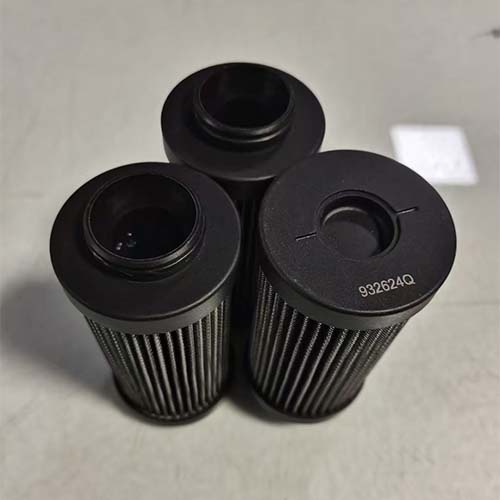
Hydraulic oil filtration is designed to maintain fluid cleanliness in systems where oil is used to transmit power. These systems operate under high pressure and require precise control to ensure smooth and efficient performance.
High Pressure Environment
Hydraulic systems typically operate under high pressure, which places significant demands on filter elements. Filters must be able to withstand pressure fluctuations while maintaining structural integrity and consistent performance.
Sensitive Components
Hydraulic systems contain precision components such as pumps, valves, and actuators. These components have tight tolerances and are highly sensitive to contamination.
Even small particles can cause:
Abrasive wear
Valve sticking
Reduced system efficiency
Fine Filtration Requirements
To protect these sensitive components, hydraulic filtration systems require fine filtration, often in the range of 3–10 microns. High-efficiency filter media is essential to remove small particles and maintain system cleanliness.
What Is Lubrication Oil Filtration?
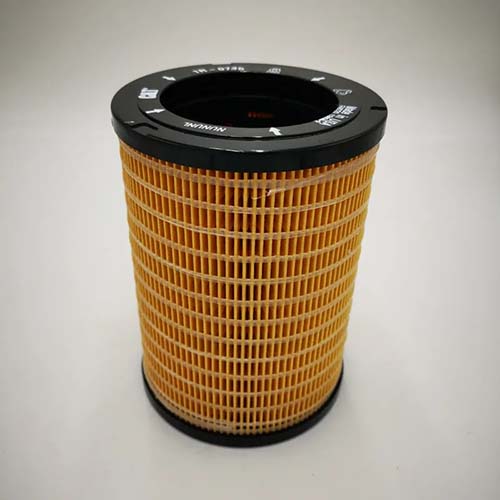
Lubrication oil filtration is used in systems where oil primarily serves to reduce friction, dissipate heat, and protect components from wear. These systems are commonly found in gearboxes, turbines, compressors, and engines.
Lower Pressure Systems
Compared to hydraulic systems, lubrication systems generally operate at lower pressure. This allows for different filter designs and less stringent structural requirements.
Focus on Wear Protection
The primary goal of lubrication filtration is to extend equipment life by minimizing friction and wear. While contamination control is still important, the system is typically more tolerant of small particles compared to hydraulic systems.
Larger Oil Volume Circulation
Lubrication systems often handle larger volumes of oil, circulating continuously through the system. As a result, filters must support higher flow rates and provide sufficient dirt-holding capacity.
Key Differences Between Hydraulic and Lubrication Filtration
Although both systems aim to maintain oil cleanliness, their filtration requirements differ significantly in several key areas.
Filtration Precision
Hydraulic systems require finer filtration (typically 3–10 microns) to protect sensitive components.
Lubrication systems generally use coarser filtration, focusing more on removing larger wear particles while maintaining flow efficiency.
Operating Pressure
Hydraulic filtration operates under high pressure conditions, requiring robust filter elements.
Lubrication filtration typically works under lower pressure, allowing for more flexible filter designs.
Flow Rate and System Design
Hydraulic systems rely on controlled flow and precise pressure regulation.
Lubrication systems emphasize continuous high-volume circulation, requiring filters that can handle larger flow rates.
Contamination Sensitivity
Hydraulic systems are highly sensitive to contamination, where even small particles can cause serious damage.
Lubrication systems are more tolerant, although long-term contamination still leads to wear and reduced efficiency.
Filter Type and Placement
Hydraulic systems commonly use:
Pressure line filters
Return line filters
Lubrication systems often use:
Offline (kidney loop) filtration
Circulation filtration systems
Contamination Types and Their Impact
Contamination affects both systems, but the impact varies depending on system design and operating conditions.
Solid Particles
Metal particles, dust, and debris are the most common contaminants.
In hydraulic systems, even fine particles can damage valves and pumps
In lubrication systems, particles accelerate wear over time
Water Contamination
Water can enter the system through condensation or external sources.
In hydraulic systems, water reduces lubrication properties and causes corrosion
In lubrication systems, it leads to oxidation and reduced oil performance
Oil Degradation and Oxidation
Over time, oil breaks down due to heat, pressure, and contamination.
In hydraulic systems, degraded oil affects system responsiveness
In lubrication systems, it reduces protective properties and increases wear
Choosing the Right Oil Filter for Your Application
Selecting the correct filter requires a clear understanding of system requirements rather than applying a one-size-fits-all approach.
For hydraulic systems, priority should be given to:
Fine filtration accuracy
High pressure resistance
High-efficiency filter media
For lubrication systems, key considerations include:
High flow capacity
Large dirt-holding capability
Stable long-term performance
Common mistakes to avoid include:
Over-filtration, which can restrict flow
Using incorrect micron ratings
Ignoring system-specific requirements
Ultimately, the right filtration strategy depends on balancing performance, protection, and system design.
H2: Conclusion
Hydraulic and lubrication oil filtration may seem similar, but their differences are critical in real-world applications. Understanding these differences allows engineers and service providers to design more effective filtration systems, improve equipment reliability, and reduce maintenance costs.
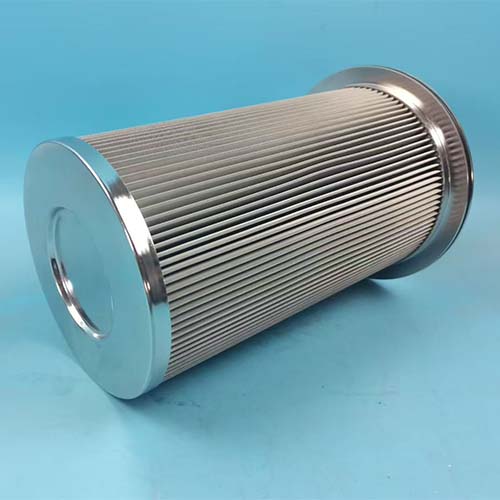
Working with the right filtration partner also makes a significant difference. Xinxiang FiltraMate Technology Co., Ltd. specializes in OEM alternative filter elements for both hydraulic and lubrication systems, offering reliable performance, stable quality, and cost-effective solutions to support industrial operations.