
Important Tips for Replacing Your Hydraulic Filter
Hydraulic systems are essential in a wide range of industrial applications, from manufacturing equipment to construction machinery and mining operations. These systems rely on clean hydraulic oil to operate efficiently and reliably. However, contamination remains the leading cause of hydraulic system failure, accounting for up to 70–80% of component wear and breakdowns.
Hydraulic filters play a critical role in removing contaminants and protecting system components. But even the best filter cannot perform effectively if it is not replaced at the right time. Understanding when and how to replace your hydraulic filter is key to maintaining system performance, reducing downtime, and avoiding costly repairs.
The Role of Hydraulic Filters in System Protection
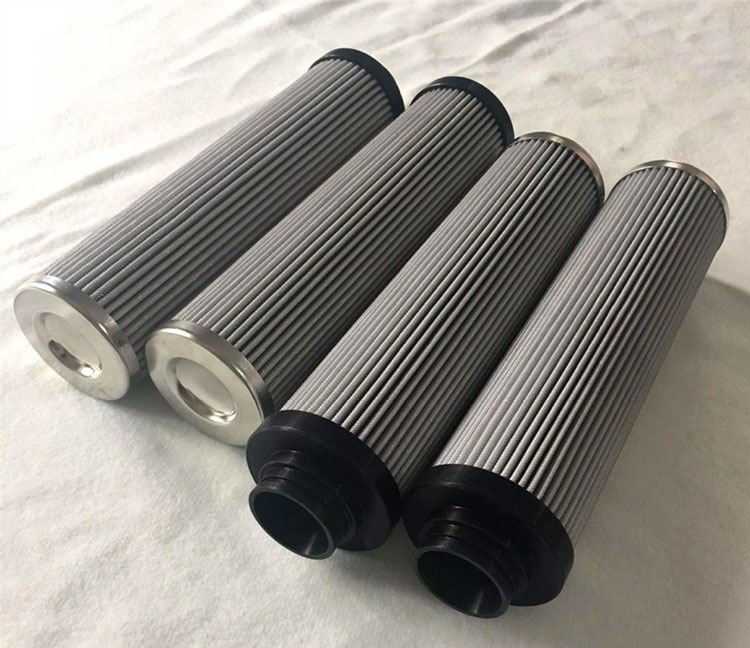
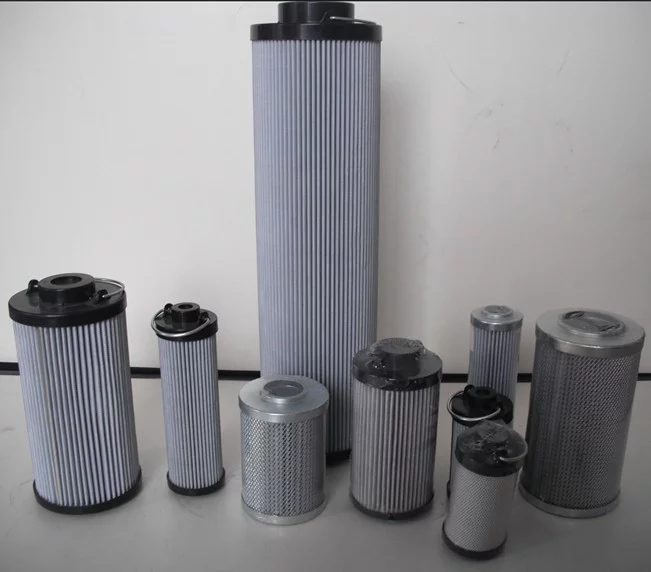
Hydraulic filters are designed to remove harmful contaminants such as metal particles, dust, and debris from hydraulic oil. By maintaining fluid cleanliness, they protect critical components within the system, including pumps, valves, and motors.
Depending on system design, hydraulic filters are typically installed in different locations:
Suction line filters to protect pumps from large particles
Pressure line filters to safeguard sensitive downstream components
Return line filters to capture contaminants before oil returns to the reservoir
These filters work together to ensure that only clean oil circulates within the system, helping maintain stable performance and extending equipment lifespan.
When and How to Replace Your Hydraulic Filter
Replacing a hydraulic filter is not simply a routine maintenance task—it requires proper timing, monitoring, and handling. Failing to replace filters at the right time can lead to serious system issues.
What Happens When Filters Are Not Replaced in Time
As a hydraulic filter captures contaminants, it gradually becomes clogged. This leads to an increase in pressure differential across the filter, restricting fluid flow.
If the filter is not replaced in time, several issues may occur:
Bypass valve activation: Unfiltered oil bypasses the filter and circulates through the system
Filter element collapse or rupture: Contaminants are released directly into the system
Pressure build-up: Excess pressure can damage upstream components
Ultimately, these problems can result in equipment damage, system failure, and costly downtime. In many cases, repairing a contaminated hydraulic system is far more expensive than simply replacing a filter on time.
When Should You Replace a Hydraulic Filter?
Many operators rely on manufacturer-recommended service intervals based on operating hours. While this provides a general guideline, it does not account for real operating conditions such as contamination levels, environment, or system load.
A more effective approach is condition-based monitoring.
Key indicators that a filter needs replacement include:
Activation of clogging or differential pressure indicators
Increased pressure drop across the filter
Reduced system performance or flow rate
Signs of oil contamination from fluid analysis
Frequent bypass valve operation
Monitoring these indicators allows operators to replace filters at the optimal time—avoiding both premature replacement and delayed maintenance.
Important Tips for Replacing Your Hydraulic Filter
To ensure effective filter replacement and system protection, consider the following best practices:
Replace filters before full blockage
Filters should ideally be replaced when they reach around 80% of their contamination capacity. Waiting until complete blockage increases the risk of bypass or failure.
Monitor pressure drop regularly
Tracking pressure differential across the filter provides a reliable indication of filter condition and helps prevent unexpected failures.
Avoid relying solely on time-based replacement
Operating hours alone do not reflect actual filter condition. Always combine time-based schedules with condition monitoring.
Maintain cleanliness during replacement
Contamination can easily enter the system during maintenance. Always ensure a clean environment and use proper handling procedures when replacing filters.
Consider predictive maintenance
Advanced systems using sensors and data analysis can predict when a filter needs replacement, improving efficiency and reducing maintenance costs over time.
OEM Alternative Filters: A Cost-Effective Solution
For many industrial operators, replacing hydraulic filters regularly can become a significant maintenance expense. OEM alternative filter elements provide a practical and cost-effective solution without compromising performance.
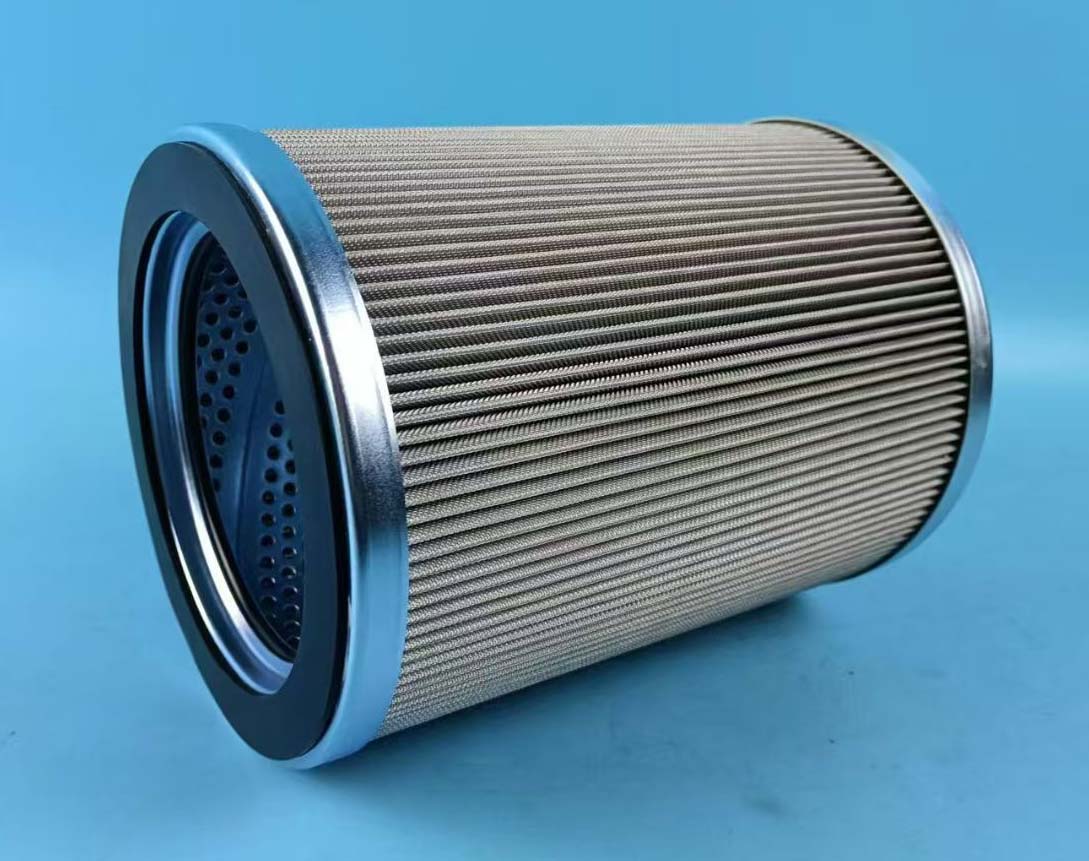
High-quality OEM replacement filters are designed to meet the specifications of original filters while offering advantages such as:
Stable filtration performance
Competitive pricing
Reliable availability
Shorter lead times
Conclusion
Replacing your hydraulic filter at the right time is essential for maintaining system performance and preventing costly failures. Rather than relying solely on fixed schedules, combining condition monitoring with proper maintenance practices ensures optimal results.
By understanding key replacement indicators and following best practices, industrial operators can protect their equipment, extend system lifespan, and improve overall efficiency.
Ultimately, effective hydraulic filter replacement is not just about routine maintenance—it is about making informed decisions that safeguard your entire hydraulic system.
Contact FiltraMate
As a professional manufacturer of industrial filter elements, we provide reliable filtration solutions, technical guidance, and high-quality OEM alternative filters to help you reduce costs and protect your equipment. Feel free to contact us for expert advice and product support.