
OEM vs Aftermarket Filters: Which One Should You Choose?
In industrial filtration, one of the most common questions faced by engineers, maintenance teams, and purchasing managers is whether to choose OEM filters or aftermarket filters. OEM filters are often perceived as the safest and most reliable option, leading many companies to assume that higher cost automatically means better performance. However, this belief is not always accurate.
With increasing pressure to reduce operational costs and improve supply flexibility, many businesses are re-evaluating their filtration strategies. The real challenge is not simply choosing between OEM and aftermarket filters, but finding the right balance between performance, reliability, and cost-effectiveness.
So, how can you select the right filter solution that delivers the same performance while optimizing your maintenance budget?
What Are OEM Filters?
OEM (Original Equipment Manufacturer) filters are produced by or according to the specifications of the original equipment manufacturer. we also call it original filters or genuine parts. These filters are designed to match the exact requirements of the equipment, ensuring consistent performance and seamless integration.
One of the key advantages of OEM filters is their guaranteed compatibility. Since they are specifically designed for the equipment, they provide a perfect fit and reliable operation. In addition, OEM filters benefit from strong brand trust, as they are associated with established equipment manufacturers.
However, these advantages often come at a cost. OEM filters typically involve higher purchasing prices, which can significantly increase maintenance expenses over time. In addition, they may come with longer lead times, especially when supply chains are limited or specific models are not readily available.
What Are Aftermarket Filters?
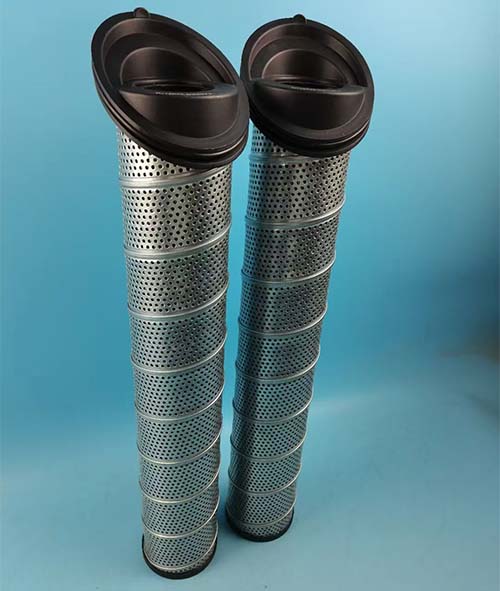
Aftermarket filters are replacement filter elements manufactured by third-party companies. They are designed to replace OEM filters and are widely used in industrial applications.
However, aftermarket filters can vary greatly in quality, and it is important to distinguish between different types.
Standard Aftermarket Filters
Standard aftermarket filters are typically focused on low cost, but their quality can be inconsistent.
Potential risks include:
Unstable filtration efficiency
Shorter service life
Poor material quality
Inconsistent fit or sealing
While these filters may reduce upfront costs, they can lead to increased equipment wear, contamination, and higher long-term maintenance expenses.
OEM Alternative Filters
OEM alternative filters represent a higher-quality category of aftermarket filters and offer the best balance between performance and cost.
These filters are:
Manufactured according to OEM specifications
Designed for full compatibility
Built with high-quality materials
As a result, they can deliver performance comparable to OEM filters, including filtration efficiency and service life.
The key advantage is clear: same performance, lower cost
For many industrial users, OEM alternative filters provide a practical and cost-effective solution without compromising system reliability.
OEM vs Aftermarket Filters: Key Differences and How to Choose
When comparing OEM and aftermarket filters, it is essential to focus on actual performance and operational impact rather than brand perception alone.
Key Differences Between OEM and Aftermarket Filters
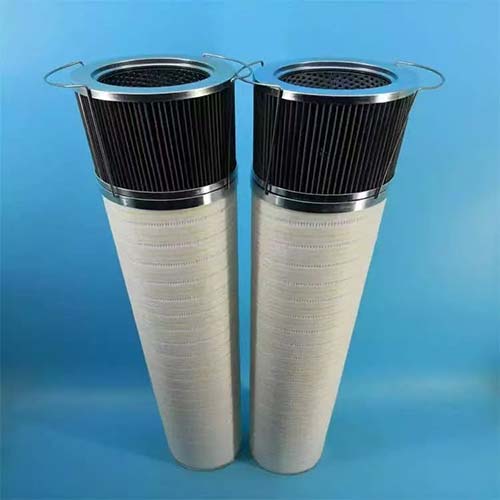
OEM filters are known for their consistency and reliability, as they are designed according to original specifications. However, high-quality OEM alternative filters can achieve the same technical performance when manufactured properly.
Key comparison factors include:
Filtration efficiency: Comparable in high-quality OEM alternatives
Service life: Similar durability with proper materials
Compatibility: Reliable fit with well-designed replacement filters
Price: OEM filters are more expensive
Lead time: Aftermarket suppliers often provide faster delivery
In many cases, OEM alternative filters can provide equivalent performance to OEM filters.
Cost vs Performance: Finding the Right Balance
Choosing the right filter is ultimately about balancing performance and cost.
OEM filters offer reliability and brand assurance, but at a higher price. Standard aftermarket filters may reduce initial costs but carry risks that can lead to higher long-term expenses.
OEM alternative filters offer the best balance by combining:
Reliable performance
Consistent quality
Lower cost
Flexible supply
The most effective approach is to choose a high-quality OEM alternative filter that delivers the same performance while reducing total cost of ownership.
OEM Alternative Filters by FiltraMate
Choosing the right supplier is just as important as choosing the right filter. The performance and reliability of OEM alternative filters depend heavily on manufacturing expertise and quality control.
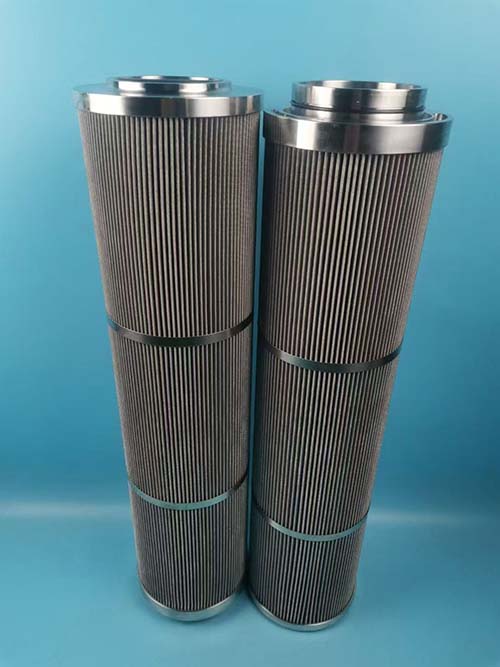
Xinxiang FiltraMate Technology Co., Ltd. is a dedicated OEM manufacturer of industrial filter elements, specializing in high-quality replacement filters for major global brands.
Our products are designed to provide:
Stable and reliable filtration performance
High-quality materials and manufacturing standards
Accurate fit and compatibility
Competitive pricing
Fast and reliable delivery
We help customers reduce maintenance costs without compromising equipment performance or reliability.
Whether for routine maintenance or long-term supply, FiltraMate offers dependable filtration solutions tailored to industrial needs.
Conclusion
OEM filters are not always the only option, and aftermarket filters are not always low quality. The key is understanding the difference between standard aftermarket products and high-quality OEM alternatives.
By choosing the right filtration solution, industrial users can achieve both performance and cost efficiency.
In many cases, the smartest choice is clear: OEM alternative filters deliver the same performance—with better value.