
How to Choose and Maintain Hydraulic Oil for Maximum System Reliability
Hydraulic oil plays a critical role in every hydraulic system. Beyond transmitting power, it also provides lubrication, cooling, corrosion protection, and contamination control. The condition of the hydraulic oil directly affects equipment performance, component life, and overall system reliability.
Many studies suggest that a significant percentage of hydraulic system failures are related to improper hydraulic oil selection, contamination, or poor maintenance practices. Choosing the right hydraulic oil and maintaining proper oil cleanliness are among the most effective ways to reduce downtime and extend equipment life.
1. Choosing the Right Hydraulic Oil
Selecting the correct hydraulic oil should always begin with the equipment manufacturer's recommendations. The specified oil type, viscosity grade, and performance requirements are designed to match the operating characteristics of the hydraulic system.
Several factors should also be considered:
Operating Temperature
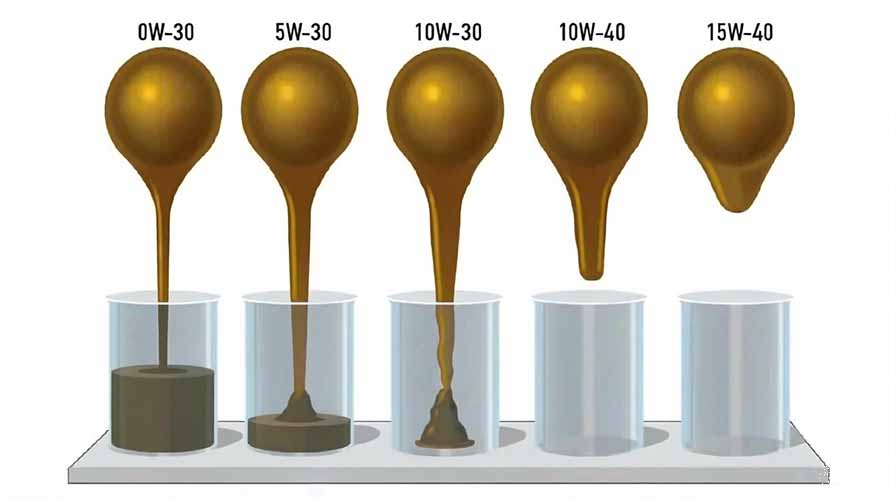
Ambient and operating temperatures have a direct impact on hydraulic oil viscosity. Higher temperatures generally require higher viscosity grades to maintain adequate lubrication, while colder environments require lower viscosity oils to ensure smooth startup and proper flow characteristics.
System Pressure and Load
High-pressure hydraulic systems often demand hydraulic oils with excellent anti-wear properties and stable viscosity performance. Selecting the right oil helps reduce component wear and improve system efficiency.
Component Requirements
Different hydraulic components have different lubrication requirements, but hydraulic pumps typically operate under the highest loads, temperatures, and speeds. In many cases, pump requirements determine the hydraulic oil selection for the entire system.
Special Operating Conditions
Applications involving fire risks or extreme operating environments may require fire-resistant hydraulic fluids or specialty oils designed for specific working conditions.
2. Understanding Hydraulic Oil Viscosity
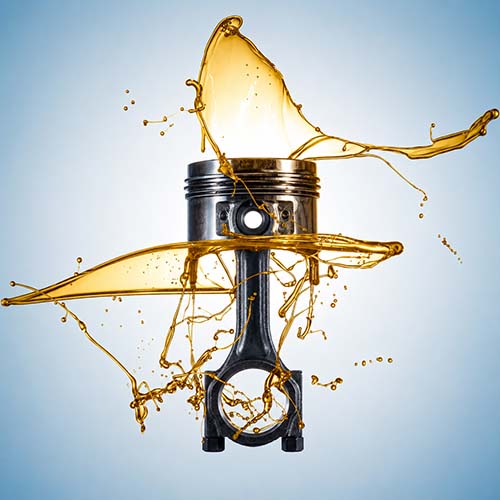
Hydraulic oil viscosity is one of the most important factors affecting hydraulic system performance.
If the viscosity is too high, the system may experience:
Increased pressure losses
Higher energy consumption
Difficult cold starts
Slower hydraulic response
Increased operating temperatures
On the other hand, oil with insufficient viscosity can lead to:
Internal leakage
Reduced lubrication performance
Lower system pressure
Accelerated pump wear
Reduced equipment reliability
The ideal hydraulic oil viscosity depends on several factors, including pump type, operating pressure, ambient temperature, and system design.
Selecting the correct viscosity helps maximize lubrication efficiency while minimizing energy losses and component wear.
3. Start with Clean Hydraulic Oil
Hydraulic oil cleanliness begins long before the oil enters the system.
New oil is not always clean enough for modern hydraulic equipment, so filtration before filling is often considered a best practice. Proper storage and handling procedures are equally important to prevent contamination during transportation and maintenance activities.
Recommended practices include:
Filtering new hydraulic oil before use
Using dedicated filtration equipment during oil transfer
Keeping storage containers properly sealed
Maintaining clean filling ports and reservoirs
Starting with clean hydraulic oil provides the first line of defense against hydraulic system contamination.
4. Prevent Hydraulic Oil Degradation
Hydraulic oil naturally degrades over time due to heat, oxidation, water contamination, and air entrainment.
Excessive operating temperatures accelerate oxidation, which can produce acids, sludge, and varnish deposits. These degradation products reduce lubrication performance and increase component wear.
Water contamination also presents significant risks. Moisture reduces oil viscosity, promotes oxidation, and contributes to corrosion within hydraulic components.
Air entering the system can cause noise, cavitation, vibration, and additional oxidation, further reducing hydraulic oil life.
Effective temperature control, proper sealing, and contamination prevention are essential to maintaining hydraulic oil quality and extending service life.
5. Controlling Hydraulic Oil Contamination
Solid particles remain one of the most common causes of hydraulic oil contamination.
Wear particles generated inside the system, dust entering through breathers and seals, and contamination introduced during maintenance can all reduce hydraulic system reliability.
Effective contamination control practices include:
Installing high-quality breather filters and proper sealing systems
Thoroughly cleaning and flushing hydraulic circuits after installation or major repairs
Following clean maintenance procedures during servicing and component replacement
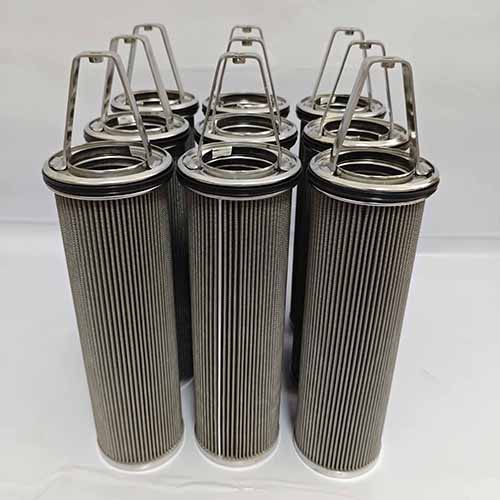
Using appropriate hydraulic filtration systems, including suction, pressure, and return line filters
Replacing hydraulic filter elements according to maintenance schedules or clogging indicators
Maintaining hydraulic oil cleanliness is one of the most cost-effective ways to reduce component wear and improve equipment reliability.
6. Monitor Oil Condition and Replace Oil When Necessary
Modern hydraulic maintenance programs increasingly rely on oil condition rather than fixed oil change intervals.
Regular oil monitoring helps operators identify contamination problems before they lead to equipment failures.
Common monitoring methods include:
Oil cleanliness analysis
Online particle counters
Water content monitoring
Periodic oil sampling and laboratory analysis
Hydraulic oil should be replaced when oil analysis indicates unacceptable contamination levels, severe oxidation, or degraded performance characteristics.
Different types of hydraulic oil should never be mixed unless their compatibility has been verified.
At FiltraMate, we help customers maintain hydraulic oil cleanliness through high-quality hydraulic filter elements and reliable replacement solutions for major brands. If you're facing challenges with contamination control, filtration selection, or replacement filter elements, feel free to connect with us to discuss your application.