
How to Choose the Right Hydraulic Filter
In hydraulic systems, the hydraulic oil filter element may look like a small component—but it plays a critical role in overall system performance, equipment life, and maintenance costs.
Choose the right hydraulic filter, and your system runs efficiently and reliably. Choose the wrong one, and you may face:
Excessive pressure drop
Short filter life
Premature component wear
Frequent hydraulic system failures
Yet many users still misunderstand how hydraulic filter elements actually work.
In this article, we’ll break down the most common hydraulic filter selection mistakes and explain how to properly choose hydraulic oil filters for better contamination control and system reliability.
⚠️ Mistake #1: “Higher Filtration Precision Is Always Better”
One of the most common misconceptions is:
👉 “The finer the micron rating, the better the filter.”
In reality, hydraulic filtration efficiency is typically measured using the Beta Ratio (β value).
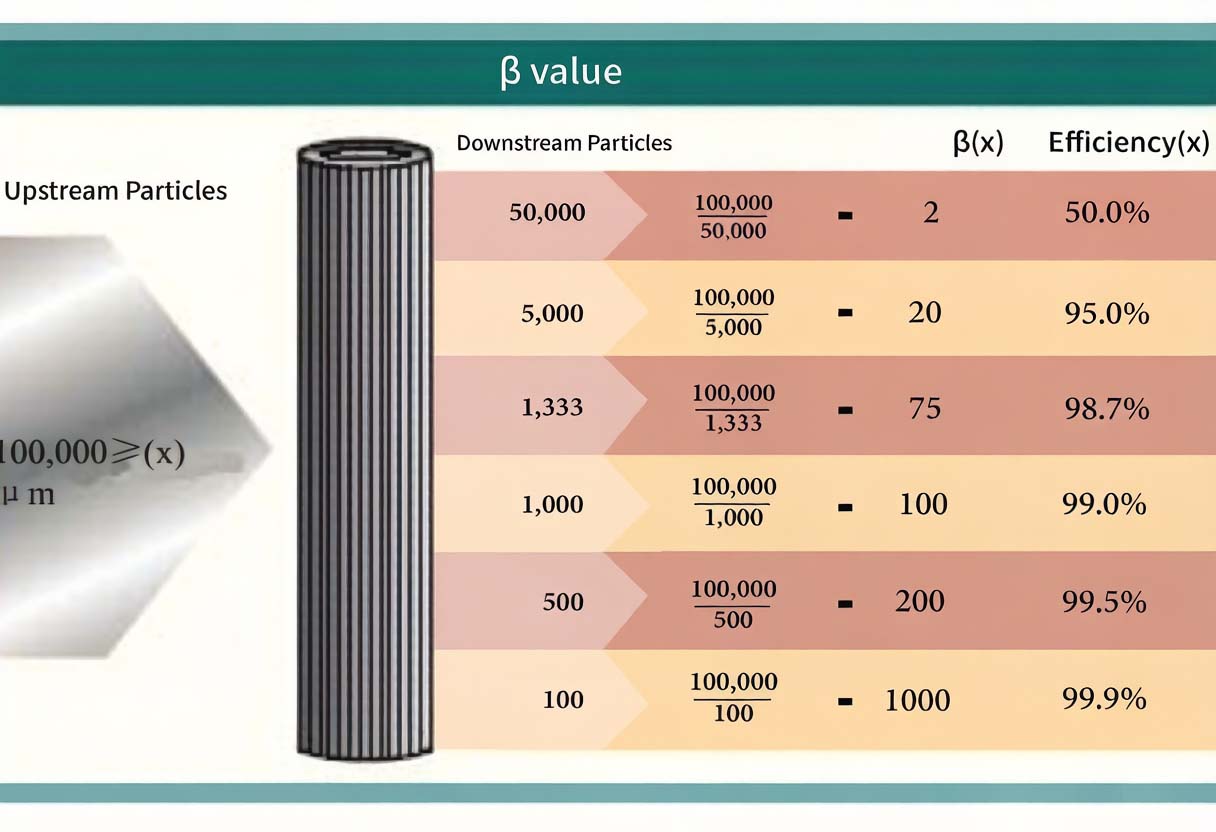
A higher β ratio means better particle capture efficiency at a specific particle size.
However, most hydraulic filters operate based on nominal filtration ratings, not absolute filtration.
This means:
A filter does not block 100% of particles above a certain micron size
Actual filtration performance depends on multiple factors
Including:
Filter media material
Pleat structure design
Manufacturing quality
Seal integrity
For example:
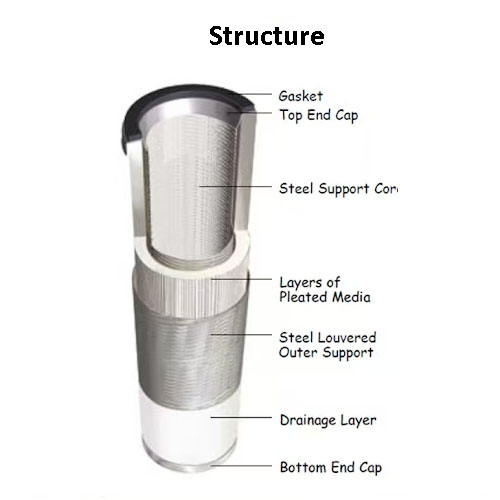
✔ Glass fiber filter media → Higher efficiency and longer service life ✔ Optimized pleat design → Larger effective filtration area ✔ Reliable sealing → Prevents bypass contamination
So when selecting a hydraulic oil filter element, don’t focus only on micron rating.
You should also evaluate:
Filter media quality
Beta ratio performance
Structural design
Manufacturing process
⚠️ Mistake #2: Confusing Rated Flow with Actual Operating Flow
Another common issue is assuming that:
👉 “The rated flow of the filter equals the actual system flow.”
But real hydraulic operating conditions are far more complex.
Actual filter performance is affected by:
Oil viscosity
Temperature changes
System pressure fluctuations
Filter contamination level
As the filter element becomes contaminated over time:
👉 The effective filtration area gradually decreases.
This changes the real flow behavior through the filter—even if system flow remains constant.
That’s why hydraulic filter selection must consider actual operating conditions, not just catalog specifications.
⚠️ Mistake #3: Over-Filtration in Hydraulic Systems
Different hydraulic systems require different oil cleanliness levels.
Every system has one or more components that are especially sensitive to contamination, such as:
Servo valves
Proportional valves
Precision hydraulic pumps
These sensitive components determine the required cleanliness level of the system.
If filtration precision is unnecessarily high, it can cause:
Increased pressure drop
Reduced oil flow
Faster filter clogging
Higher maintenance frequency
👉 The goal is not the highest filtration precision possible— but the right balance between cleanliness, flow, and system performance.
🔍 How to Identify a High-Quality Hydraulic Filter Element
A quality hydraulic oil filter is not defined by specifications alone. Manufacturing quality matters just as much.
✔ Filter Media Quality
High-quality hydraulic filters typically use:
Glass fiber media
Strong metal support mesh
for better structural stability and filtration efficiency.
✔ Pleat Structure
Uniform and optimized pleating provides:
Larger filtration area
Better flow performance
Longer service life
✔ Sealing Performance
Reliable sealing is critical to prevent:
Bypass leakage
Unfiltered oil entering the system
✔ Structural Strength
Especially for pressure-line hydraulic filters, the element must withstand high operating pressure.
Weak filter elements may lead to:
Media collapse
Filter rupture
System contamination
✅ 3 Key Steps to Selecting the Right Hydraulic Filter
Step 1: Determine Required Oil Cleanliness Level
Start by identifying the most contamination-sensitive component in the hydraulic system.
Then define:
Required ISO 4406 cleanliness code
Appropriate filter micron rating
This forms the basis of proper hydraulic filtration design.
Step 2: Evaluate Installation Position and Operating Conditions
Different filter positions require different filter characteristics.
Suction Filters
Focus on:
Low pressure drop
Preventing pump cavitation
Pressure-Line Filters
Focus on:
High structural strength
Fine filtration efficiency
Return-Line Filters
Focus on:
High dirt holding capacity
High flow capability
You should also consider:
Operating pressure
Peak flow rate
Oil viscosity
Temperature range
Step 3: Select the Right Filter Based on Beta Ratio and Media Type
Finally, evaluate:
Beta ratio curve
Differential pressure requirements
Flow rating
Filter media type
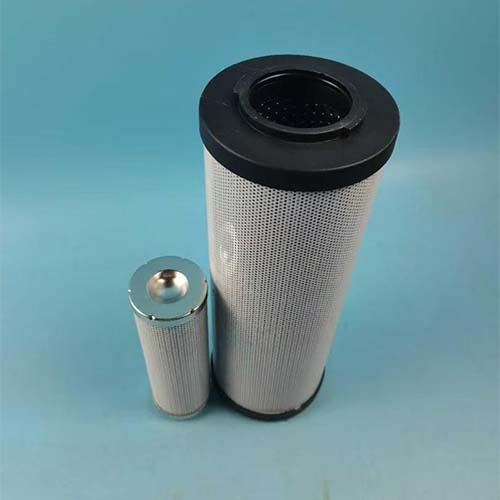
The right hydraulic filter element is not simply one that "fits"— it's one that delivers long-term stable filtration performance.
🚀 Conclusion
Selecting the right hydraulic oil filter element is not just about comparing micron ratings or prices.
Effective hydraulic oil filtration requires balancing:
Oil cleanliness requirements
Operating conditions
Filtration efficiency
Pressure drop
Flow performance
The right hydraulic filter helps:
✔ Improve system reliability ✔ Extend hydraulic component life ✔ Reduce maintenance costs ✔ Minimize equipment downtime
At FiltraMate, we provide:
Hydraulic oil filter elements
OEM replacement hydraulic filters
Technical support for hydraulic filtration selection
Helping customers achieve more reliable and efficient hydraulic system performance.