ISO 4406 Cleanliness Codes Explained for Industrial Oil Systems
In modern industrial operations, oil cleanliness is no longer just a maintenance concern—it is a key factor that directly affects equipment reliability, operating costs, and service life.
Whether in hydraulic systems, lubrication circuits, wind turbines, steel mills, or power plants, controlling oil contamination has become an essential part of effective asset management. Simply changing the oil at regular intervals is often not enough. The cleanliness level of the oil itself plays an equally important role.
This is where ISO 4406 comes in.
ISO 4406 is the internationally recognized standard for measuring and reporting the cleanliness of hydraulic and lubricating oils. Understanding these codes helps you make better decisions about filtration, oil analysis, and contamination control.
In this article, we'll explain how ISO 4406 works, what the numbers actually mean, and why maintaining the right cleanliness level is critical for industrial oil systems.
What Is ISO 4406?
ISO 4406 is an international standard used to classify the cleanliness of hydraulic fluids and lubricants based on the number of solid particles suspended in the oil.
Before this standard was widely adopted, different manufacturers and laboratories used their own methods for reporting contamination levels, making comparisons difficult. ISO 4406 established a common language that allows engineers, maintenance teams, and oil analysis laboratories to communicate using the same cleanliness criteria.
Today, ISO 4406 is widely used in:
• Hydraulic systems
• Lubrication systems
• Wind turbine gearboxes
• Steel manufacturing equipment
• Marine machinery
• Power generation facilities
• Heavy industrial applications
The purpose of the standard is simple: to measure contamination levels accurately so that equipment reliability can be improved and component wear can be minimized.
How Does the ISO 4406 Code Work?
ISO 4406 uses a three-number code to represent the number of particles present in one milliliter of oil.
ISO XX/XX/XX
The three numbers correspond to particle counts larger than three different sizes:
• First number: particles ≥4 μm(c)
• Second number: particles ≥6 μm(c)
• Third number: particles ≥14 μm(c)
The scale is logarithmic, meaning that every increase of one ISO code approximately doubles the number of particles in the oil.
The following table provides a simplified reference:
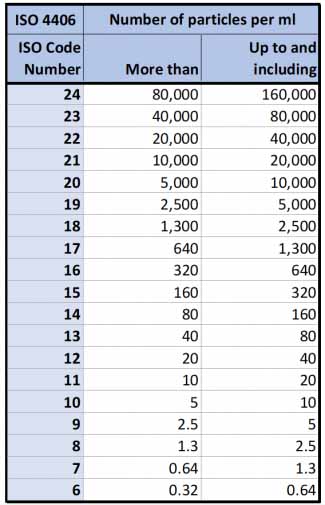
Because the scale is exponential, even a small improvement in ISO cleanliness levels can significantly reduce the amount of contamination circulating through a system.
What Does an ISO Code Like 18/16/13 Mean?
An ISO cleanliness code of 18/16/13 means that one milliliter of oil contains approximately:
• 1,300–2,500 particles that are 4 microns or larger
• 320–640 particles that are 6 microns or larger
• 40–80 particles that are 14 microns or larger
At first glance, the difference between ISO 18/16/13 and ISO 17/15/12 may seem small. However, because the system is logarithmic, reducing the cleanliness code by just one level cuts the particle count by about 50%.
This is why improving oil cleanliness can dramatically extend the life of pumps, valves, bearings, and other precision components.
Typical cleanliness targets for various industrial systems are shown below:
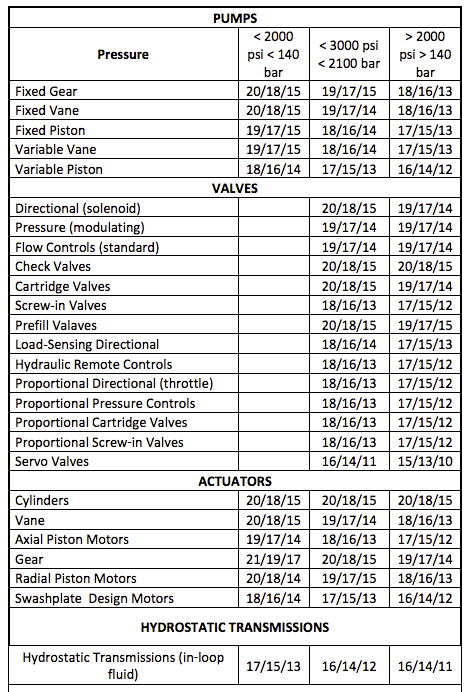
Actual cleanliness requirements may vary depending on equipment design and OEM recommendations, but these values provide a useful reference for many industrial applications.
Why Oil Cleanliness Matters More Than Most People Think
Research across the hydraulic industry consistently shows that contamination is one of the leading causes of equipment failures.
Solid particles suspended in the oil can cause:
• Accelerated pump wear
• Valve sticking and malfunction
• Servo system instability
• Bearing damage
• Reduced lubricant life
• Increased maintenance costs
• Unplanned downtime
Modern hydraulic components operate with extremely tight clearances. In many cases, particles that are invisible to the human eye are large enough to damage critical surfaces or interfere with precise control mechanisms.
Maintaining cleaner oil directly translates into longer component life, improved system performance, and lower total operating costs.
For this reason, many maintenance professionals now place greater emphasis on oil cleanliness management rather than relying solely on scheduled oil changes. please read follow article for more infomation.
Why Hydraulic Oil Cleanliness Matters More Than Oil Changes
How to Achieve and Maintain Your Target ISO 4406 Levels
Achieving a specific ISO cleanliness target requires a combination of effective filtration, regular monitoring, and sound oil management practices.
Use Fine Filtration Solutions
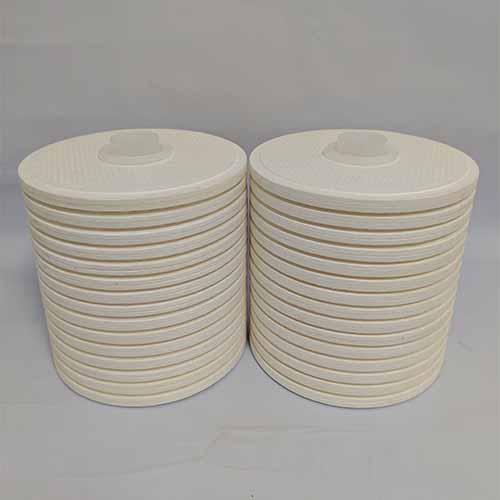
Selecting the appropriate filter media and filtration efficiency is fundamental to contamination control.
Fine filtration systems can remove harmful particles before they circulate through sensitive components, helping maintain the desired cleanliness level over extended operating periods.
Consider Offline Filtration Systems
Many industrial facilities use offline, or kidney-loop, filtration systems in addition to conventional inline filters.
Offline filtration provides several advantages:
• Continuous oil cleaning without interrupting production
• Higher filtration efficiency for fine particles
• Improved control of overall oil cleanliness
• Longer oil and component service life
This approach is particularly common in hydraulic systems, lubrication units, and critical industrial machinery where strict cleanliness requirements must be maintained.
Implement Regular Oil Analysis
Oil analysis provides valuable information about the condition of both the oil and the equipment.
Routine monitoring typically includes:
• ISO particle counts
• Water content analysis
• Varnish monitoring
• Wear metal analysis
Combining oil analysis with effective filtration allows maintenance teams to identify contamination problems before they lead to equipment failures.
Develop a Long-Term Oil Management Strategy
Successful oil cleanliness programs focus on prevention rather than correction.
This includes:
• Establishing target ISO cleanliness levels
• Monitoring trends over time
• Maintaining filtration equipment properly
• Training personnel on contamination control practices
An effective oil management strategy not only improves reliability but also supports predictive maintenance initiatives and reduces overall lifecycle costs.
ISO 4406 provides a universal language for understanding oil cleanliness in industrial systems. By knowing what these codes mean and how they relate to equipment performance, maintenance professionals can make more informed decisions about filtration, oil analysis, and contamination control.
FiltraMate focus on aftermarket hydraulic filter elements. we have equivalent filter elements for major brands like Hydac, Parker, Eaton, etc. we also deal with alternative depth filter inserts. please feel free to contact us for any filter elements.