Why Hydraulic Oil Cleanliness Matters More Than Oil Changes
For decades, hydraulic maintenance programs have relied on scheduled oil changes as a primary method of protecting equipment.
The assumption is simple: replace the hydraulic oil at regular intervals, and the system will remain reliable.
However, experience has shown that oil age is often not the biggest threat to hydraulic system reliability. In many cases, hydraulic components fail because of contamination, not because the oil has reached a specific number of operating hours.
This is why more maintenance and reliability professionals are shifting their focus from oil change intervals to hydraulic oil cleanliness management.
1. The Traditional Approach: Changing Hydraulic Oil on Schedule
Many hydraulic systems still operate under fixed oil change schedules.
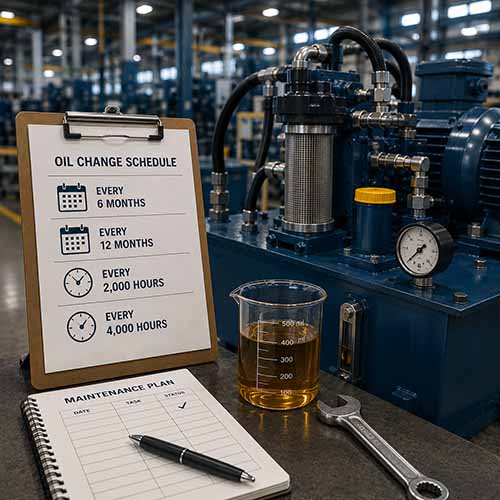
Common intervals include:
Every 6 months
Every 12 months
Every 2,000 operating hours
Every 4,000 operating hours
The advantage of this approach is simplicity. Maintenance teams know exactly when oil changes should occur.
The problem is that a calendar or operating hour meter cannot accurately reflect the actual condition of the hydraulic oil.
In some systems, oil is replaced while it is still in good condition. In others, contaminated oil remains in service long enough to cause significant equipment wear before the next scheduled oil change.
Key Takeaway
Hydraulic oil age does not always reflect hydraulic oil condition.
2. What Actually Damages Hydraulic Systems?
Hydraulic pumps, valves, cylinders, and bearings do not fail simply because the oil has been in service for a certain amount of time.
They fail because contaminants circulate through the system and gradually damage critical surfaces.
Common sources of hydraulic oil contamination include:
Wear particles generated by moving components
Dust and dirt entering through breathers and seals
Water contamination caused by condensation or leakage
Oxidation by-products generated by heat and aging
Sludge and varnish deposits
Many of these contaminants are microscopic, yet they can significantly accelerate wear and reduce system efficiency. If you want to know more about the cost of oil pollution, please read this article:
The Hidden Cost of Hydraulic Oil Contamination: Why Filtration Matters
Even when hydraulic oil still appears to be in acceptable condition, contamination may already be affecting component performance and accelerating wear.
Key Takeaway
Contamination often causes more damage than oil age.
3. Why Hydraulic Oil Cleanliness Matters
The importance of hydraulic oil cleanliness becomes most obvious after a component failure occurs.
One customer once mentioned that in the plant when a hydraulic pump failed and was replaced, the manufacturer would only honor the warranty on the new pump if the hydraulic system was properly cleaned and flushed beforehand. The reason was straightforward: contamination generated by the original pump failure could remain in the system and quickly damage the replacement pump.
This highlights an important principle in hydraulic maintenance. Replacing a failed component does not remove the contamination that caused the failure. Unless hydraulic oil cleanliness is restored, the same contaminants can continue circulating through the system and shorten the life of new components.
Key Takeaway
Clean hydraulic oil protects both existing components and the replacement components installed after a repair.
4. Oil Changes Are Important—But Not Enough
Hydraulic oil eventually degrades and must be replaced.
Additives are depleted, oxidation increases, and lubricant performance declines over time.
However, changing oil alone does not eliminate contamination.
In fact, new oil is often not clean enough to meet the cleanliness requirements of modern hydraulic systems. Contamination can also be introduced during storage, handling, transfer, and maintenance activities.
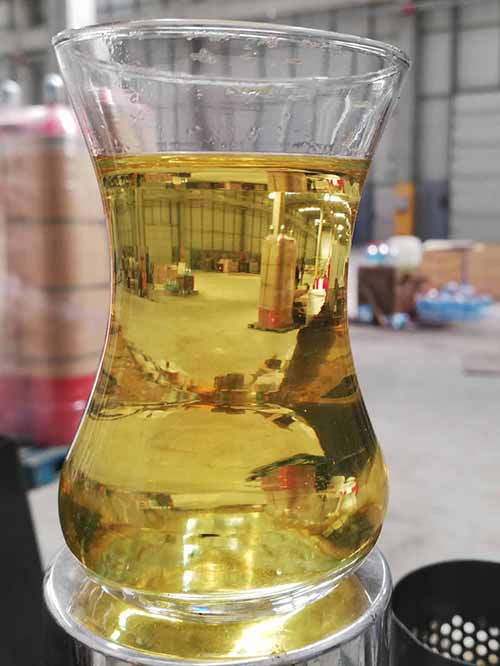
This means a newly completed oil change does not automatically guarantee hydraulic oil cleanliness. The below photo is by our partner Mikron Filtre Turkey, It clearly demonstrates the effectiveness of filtration. It is a strong reminder that even new oil should be properly filtered before being put into service.
Key Takeaway
Changing hydraulic oil and maintaining hydraulic oil cleanliness are two different objectives.
Both are important, but neither replaces the other.
5. A Better Approach: Hydraulic Oil Cleanliness Management
Leading maintenance organizations increasingly focus on hydraulic oil condition rather than simply following calendar-based oil changes.
Their contamination control programs typically include:
Oil analysis
Oil cleanliness monitoring
Water contamination control
Clean oil handling practices
Hydraulic oil filtration
Regular filter element replacement
The objective is simple: maintain hydraulic oil in a condition that supports equipment reliability, rather than relying solely on fixed oil change intervals.
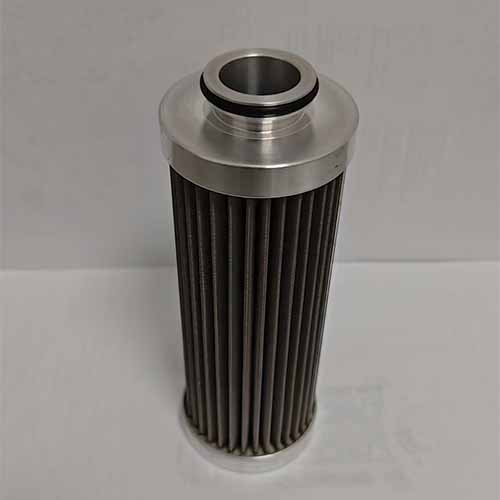
By controlling contamination and monitoring oil condition, operators can extend oil life, reduce maintenance costs, improve equipment reliability, and minimize unplanned downtime.
Key Takeaway
Oil cleanliness management focuses on maintaining hydraulic oil condition, not simply replacing oil on a schedule.
6. Improve Hydraulic Oil Cleanliness with FiltraMate
Effective contamination control starts with reliable filtration.
At FiltraMate, we help customers improve hydraulic oil cleanliness through high-quality filter elements and practical filtration solutions designed to support equipment reliability and reduce maintenance costs.
Looking to improve hydraulic oil cleanliness or optimize your filtration strategy? Feel free to connect with FiltraMate to discuss your application. Email: [email protected], WhatsApp: +86 133 4666 0396