
Pressure-Line Filter vs Return-Line Filter: What’s the Difference?
In hydraulic systems, effective filtration is essential for maintaining system reliability and protecting critical components. While selecting the right filter element is important, choosing the correct filter position is equally critical.
Two of the most commonly used filtration points are pressure-line filters and return-line filters. Although they may appear similar, they serve very different purposes and operate under different conditions.
Understanding their differences helps engineers, distributors, and service providers design more efficient hydraulic filtration systems and avoid costly mistakes.
What Is a Pressure-Line Filter?
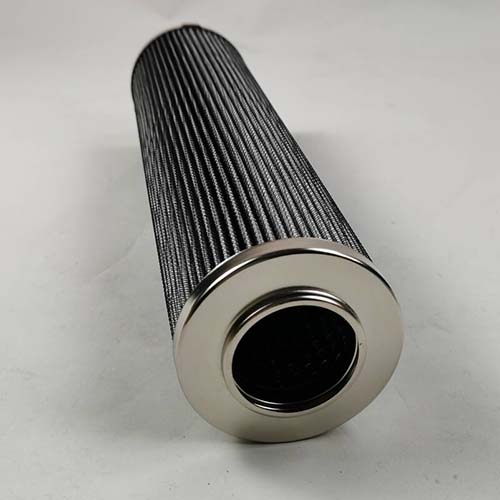
A pressure-line filter is installed downstream of the pump, typically before sensitive components such as valves and actuators. It operates under high pressure conditions and is designed to provide fine filtration to protect critical system components.
Key Characteristics
Installed in high-pressure lines
Protects precision components (valves, actuators, servo systems)
Requires high-strength filter elements
Typically uses fine filtration ratings (e.g. 3–10 microns)
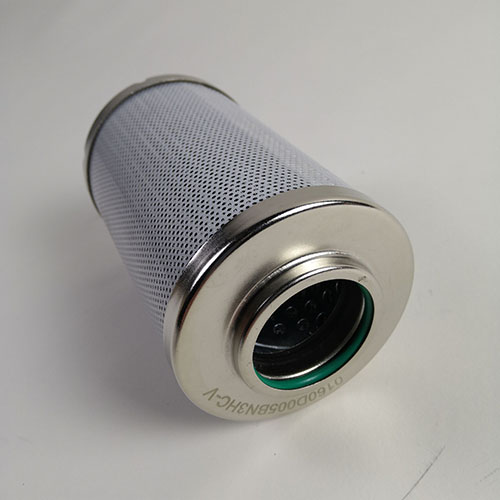
Example of Pressure-Line Filter Element Model
A typical example is:
Hydac 0160 D 010 BN4HC
This model code contains important technical information:
0160 → Size / nominal flow capacity of the filter element
D → Filter type / design series (pressure-line element)
010 → Filtration rating (10 microns)
BN4HC → Filter media type (Betamicron® high-efficiency glass fiber media)
👉 This type of element is designed for high pressure resistance and high filtration efficiency, making it suitable for protecting sensitive hydraulic components.
What Is a Return-Line Filter?
A return-line filter is installed in the return line before the oil flows back to the reservoir. It operates under low pressure conditions and is designed to remove contaminants generated within the system.
Key Characteristics
Installed in return lines
Captures contamination from the entire system
Designed for high flow rates
Focus on dirt-holding capacity
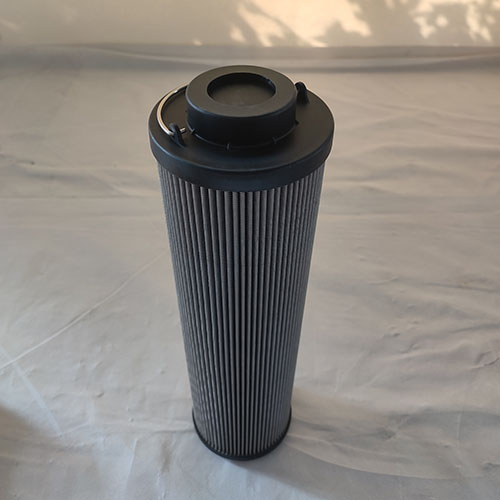
Example of Return-Line Filter Element Model
A typical example is:
Hydac 1700 R 010 BN4HC
Model code explanation:
1700 → Size / flow capacity (larger than pressure-line elements)
R → Filter type (return-line filter element)
010 → Filtration rating (10 microns)
BN4HC → Filter media type (high-efficiency glass fiber media)
👉 Return-line filters are optimized for handling large volumes of oil and capturing system-generated contaminants.
Key Differences Between Pressure-Line and Return-Line Filters
Understanding the differences between these two filter types is essential for proper system design.
Installation Location
Pressure-line filter: installed after the pump
Return-line filter: installed before the reservoir
Operating Pressure
Pressure-line filter: operates under high pressure
Return-line filter: operates under low pressure
Filtration Purpose
Pressure-line filter: protects sensitive downstream components
Return-line filter: cleans oil returning from the system
Filter Element Requirements
Pressure-line filter: high strength construction, fine filtration efficiency
Return-line filter: high dirt holding capacity, high flow capability
Service Life and Maintenance
Pressure-line filters typically have more stable operating conditions
Return-line filters often require more frequent replacement due to higher contamination load
Common Selection Mistakes
In practice, several common mistakes can reduce filtration effectiveness:
Using only one type of filter in the system
Selecting incorrect micron ratings
Ignoring pressure requirements for pressure-line filters
Overloading return-line filters with excessive contamination
The key principle is simple:
Pressure-line and return-line filters are not interchangeable. Each serves a specific role and must be selected accordingly.
Conclusion
Pressure-line filters and return-line filters play different but complementary roles in hydraulic systems. Proper selection and application of both are essential for ensuring system performance, reducing wear, and minimizing downtime.
For applications requiring reliable replacement solutions, FiltraMate provides OEM alternative hydraulic filter elements designed to meet the performance requirements of both pressure-line and return-line filtration—helping customers achieve consistent performance with better cost efficiency.