The Hidden Cost of Hydraulic Oil Contamination
Hydraulic systems are designed to operate with precision, efficiency, and reliability. However, one of the most common causes of hydraulic system failures is often overlooked: hydraulic oil contamination.
Contamination does not usually cause immediate breakdowns. Instead, it gradually accumulates in the hydraulic oil, accelerating component wear, reducing system efficiency, shortening oil life, and increasing maintenance costs. By the time a pump fails or a valve sticks, the root cause may have been developing for months.
While many maintenance teams focus on replacing damaged components, leading companies increasingly recognize that effective contamination control and oil cleanliness management are among the most cost-effective ways to improve hydraulic system reliability and reduce total operating costs.
1. Where Does Hydraulic Oil Contamination Come From?
Hydraulic oil contamination can originate from multiple sources throughout the life of a hydraulic system. Understanding these sources is the first step toward effective contamination control.
External Contamination
Many contaminants enter the hydraulic system from the surrounding environment. Common sources include:
Dust and dirt entering through reservoir breathers
Water ingress caused by humidity, condensation, or leaking seals
Contaminated new oil introduced during oil changes
Contamination introduced during maintenance and repair activities
Even new hydraulic oil is not necessarily clean enough for use in high-performance hydraulic systems. Without proper filtration, contaminants can enter the system before the equipment even begins operation.
Internal Contamination
Hydraulic systems also generate contamination internally during normal operation.
Common sources include:
Wear particles from pumps, valves, cylinders, and bearings
Seal degradation and rubber particles
Filter media fibers
Oxidation by-products
Sludge and varnish formation
As hydraulic oil ages and is exposed to heat, oxygen, and moisture, chemical degradation accelerates, producing additional contaminants that further reduce oil quality.
Key Takeaway
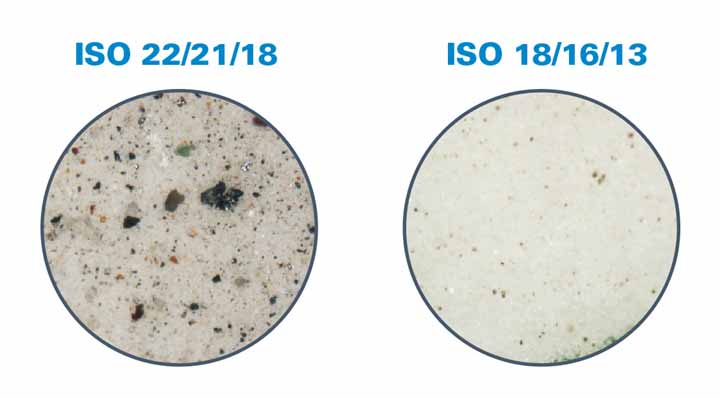
Contamination is continuously generated both inside and outside the hydraulic system. While it cannot be completely eliminated, it can be effectively controlled through proper filtration and oil cleanliness management.
2. The Hidden Costs of Contaminated Hydraulic Oil
Many contamination-related costs are not immediately visible. While a failed pump or damaged valve is easy to identify, the gradual impact of poor oil cleanliness often goes unnoticed until significant damage has already occurred.
Accelerated Component Wear
Solid contamination particles suspended in hydraulic oil act like abrasive materials. As they circulate through the system, they continuously wear critical components such as:
Hydraulic pumps
Servo valves
Proportional valves
Hydraulic cylinders
Bearings
Over time, this wear reduces performance, increases leakage, and shortens component life.
Reduced Equipment Reliability
Modern hydraulic systems rely on precise clearances and sensitive control components. Even very small particles can interfere with system operation.
Contamination can lead to:
Valve sticking
Restricted flow passages
Poor system response
Increased operating temperatures
Reduced machine performance
As contamination levels increase, the risk of unexpected equipment failure also increases.
Shorter Oil Service Life
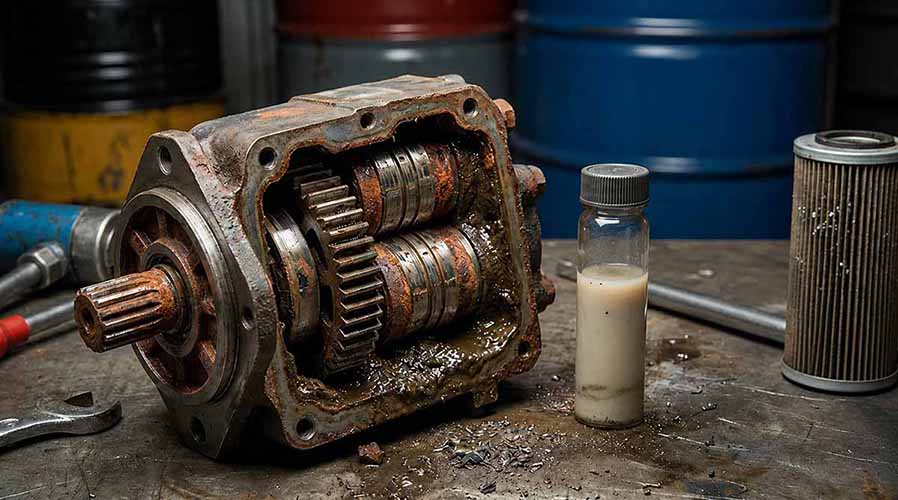
Water contamination, oxidation products, and elevated operating temperatures accelerate hydraulic oil degradation.
This can result in:
Increased sludge formation
Varnish deposits
Reduced lubrication performance
More frequent oil changes
Replacing hydraulic oil prematurely adds both direct lubricant costs and disposal costs.
Higher Maintenance Costs
The cumulative impact of contamination often includes:
Increased spare parts consumption
More frequent repairs
Additional labor requirements
Higher inventory costs
Increased downtime
The Real Cost of Dirty Oil
Many companies focus on the cost of filters, oil, or replacement components. However, the true cost of contamination is often much greater.
Dirty oil can quietly increase maintenance expenses for months or years before a major failure occurs.
In many industrial applications, contaminated hydraulic oil is one of the largest hidden contributors to maintenance costs and equipment downtime.
3. Turning Oil Cleanliness into Cost Savings
Rather than treating contamination as a maintenance problem, many organizations now view oil cleanliness as a reliability and cost-control strategy.
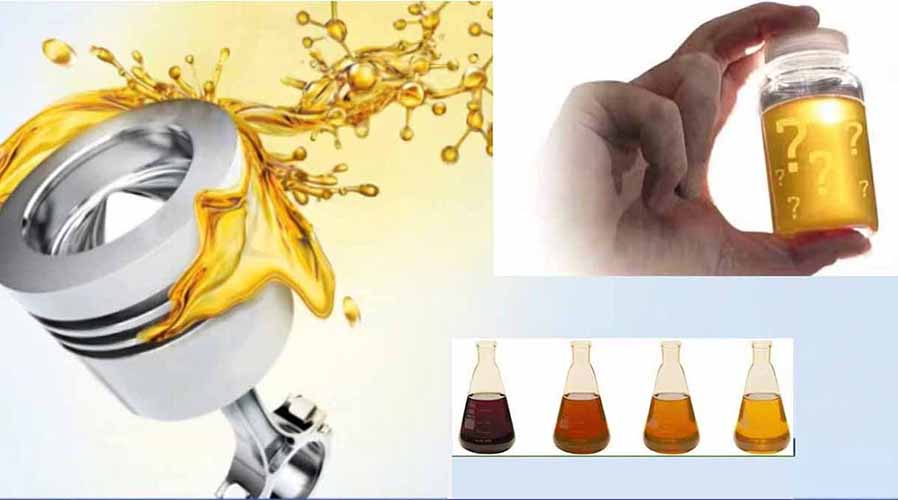
Maintaining cleaner hydraulic oil helps reduce wear, improve system performance, and extend the life of both components and lubricants.
Longer Component Life
Cleaner oil means fewer abrasive particles circulating through the system.
Benefits include:
Reduced pump wear
Longer valve life
Lower bearing wear
Improved equipment reliability
Extended Oil Service Life
When contamination is effectively controlled, hydraulic oil remains in better condition for longer periods.
Benefits include:
Reduced oxidation
Less sludge formation
Extended oil drain intervals
Lower lubricant consumption
Reduced Downtime
Hydraulic failures often result in expensive production interruptions.
By maintaining proper oil cleanliness levels, companies can reduce:
Unplanned shutdowns
Emergency repairs
Production losses
Lower Total Cost of Ownership
Improved oil cleanliness contributes directly to:
Reduced maintenance costs
Lower spare parts consumption
Higher equipment availability
Improved productivity
Key Message
Oil cleanliness is not simply a maintenance KPI—it is a business KPI.
Companies that actively manage contamination often achieve significant savings through improved reliability, reduced downtime, and longer equipment life.
4. Choosing the Right Filtration Strategy
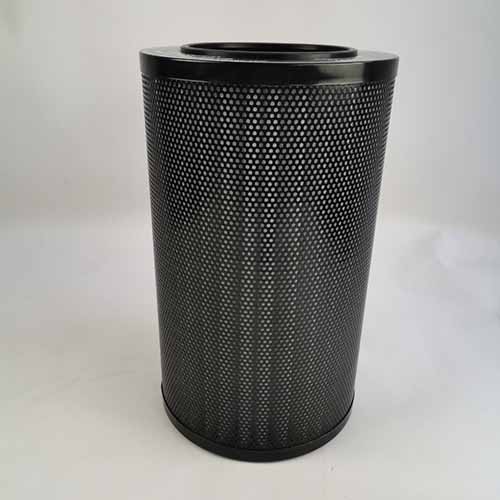
Maintaining hydraulic oil cleanliness requires more than simply installing a filter. Different hydraulic systems have different contamination control requirements, operating conditions, and cleanliness targets.
An effective filtration strategy should consider:
System sensitivity
Required cleanliness level
Operating environment
Flow rate and pressure conditions
Maintenance objectives
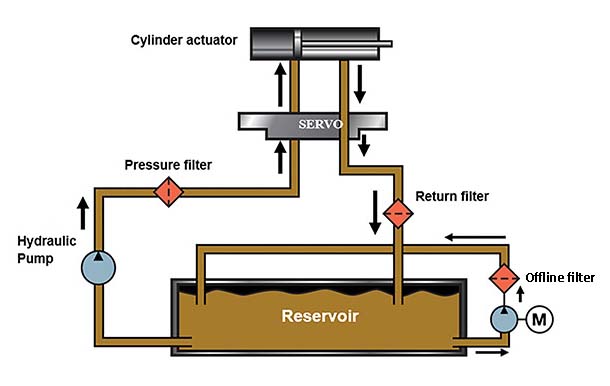
Depending on the application, hydraulic systems may use a combination of:
Suction filtration
Pressure-line filtration
Return-line filtration
Lubrication filtration
Fine filtration systems
Each filtration method plays a specific role in contamination control.
For example:
Suction filters help protect hydraulic pumps from large contaminants.
Pressure-line filters protect sensitive downstream components.
Return-line filters remove contaminants before oil returns to the reservoir.
Fine filtration systems help maintain long-term oil cleanliness.
There is no universal solution suitable for every hydraulic system. The most effective contamination control programs are designed around the specific requirements of the equipment and operating environment.
5. Why Filter Element Quality Matters
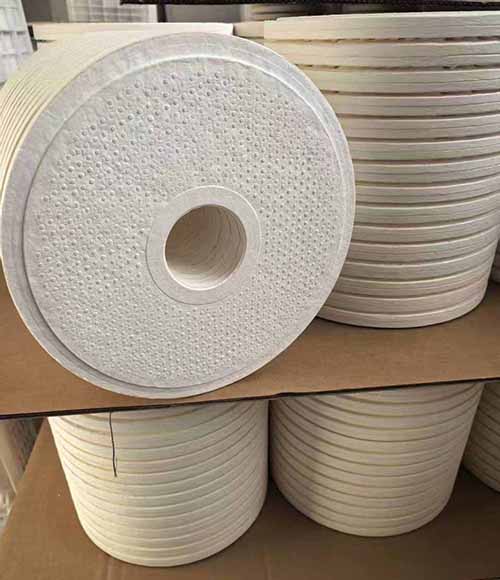
Regardless of the filtration strategy used, overall system performance ultimately depends on the quality of the filter element itself.
A filter element does much more than simply trap dirt. It directly affects:
Filtration efficiency
Dirt-holding capacity
Pressure drop
Service life
Equipment protection
What to Look for in a Quality Filter Element
When selecting hydraulic filter elements or lubrication oil filter elements, important considerations include:
Consistent filtration media quality
Reliable sealing performance
Strong structural integrity
Stable filtration efficiency
Application-specific design
High-quality filter elements help maintain stable system performance while reducing maintenance frequency and operating costs.
Common applications include:
Hydraulic filter elements
Return line filter elements
Pressure line filter elements
Lubrication oil filter elements
Fine filtration filter inserts
A filtration system is only as effective as the filter element inside it.
6. Improve Oil Cleanliness with FiltraMate
At FiltraMate, we supply hydraulic filter elements, lubrication oil filter elements, fine filtration inserts, and CJC-compatible replacement filters to help customers improve oil cleanliness, extend equipment life, and reduce maintenance costs.
If you're facing challenges with hydraulic oil contamination or looking for reliable replacement filter elements, feel free to contact FiltraMate to discuss your filtration requirements. Email: [email protected], WhatsApp: +86 133 4666 0396